

Tourmaline: The Gemstone of a Thousand Colours
Tourmaline: The Gemstone of a Thousand Colours
Ask most people to name a coloured gemstone, and they'll reach for the obvious answers — emerald, ruby, sapphire. Ask a gemmologist the same question, and there's a good chance tourmaline comes up first. Not because it's better than the classics, but because it does something none of them can: it comes in almost every colour imaginable.
At Hope Diamonds, tourmaline is one of the stones we get the most questions about — and once you understand what makes it so unusual, it's easy to see why.
A Rainbow, Grown Underground
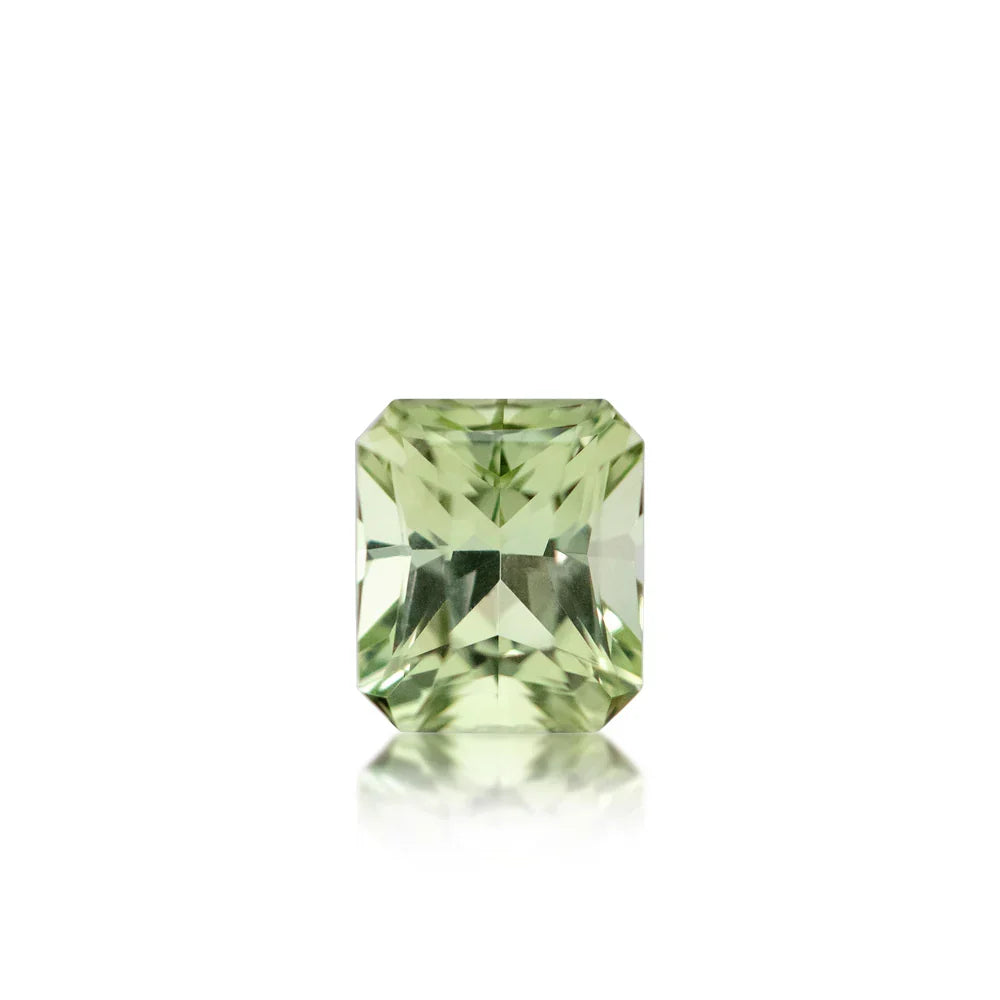
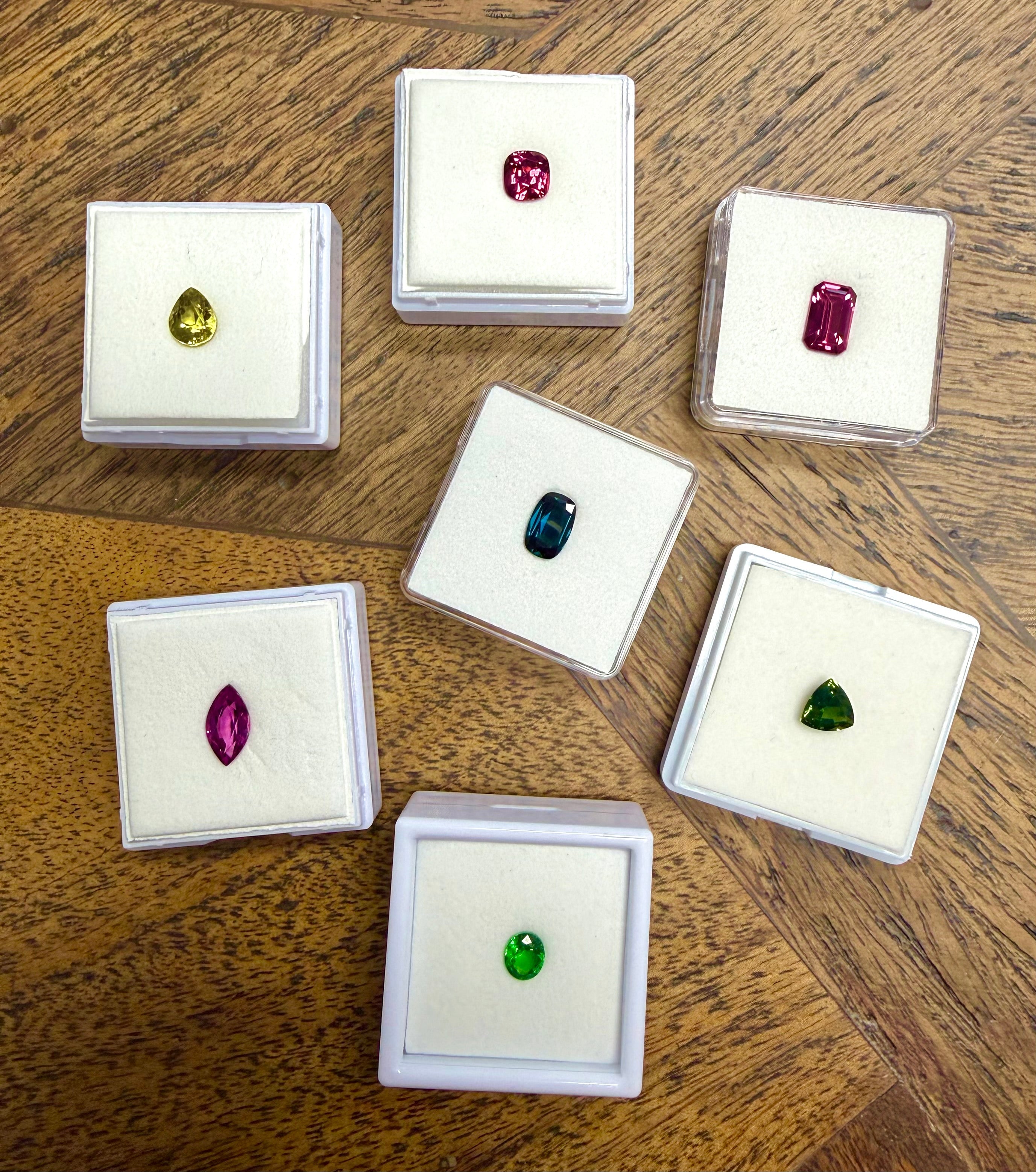
Tourmaline holds the title of having the widest colour range of any gemstone on Earth. Where sapphire is famous for blue and ruby is famous for red, tourmaline simply refuses to be pinned down — it occurs naturally in red, pink, orange, yellow, green, blue, purple, brown, black, and colourless, often within the very same crystal.
That last part is what makes tourmaline genuinely unique in the gem world. Many tourmalines display two or even three colours in a single stone — the most famous example being "watermelon" tourmaline, which shows a pink centre surrounded by a green edge, mimicking the fruit it's named after. No two of these bi-colour or tri-colour stones look quite the same, which means when you choose a tourmaline, you're genuinely choosing something one-of-one.
Why Does Tourmaline Have So Many Colours?
The answer lies in tourmaline's crystal structure. Unlike gemstones with a more rigid chemical makeup, tourmaline's structure can accommodate a wide variety of trace elements — iron, manganese, chromium, titanium, and copper among them. Each of these elements interacts with light differently, producing a different colour or shade. A trace of manganese might produce a soft pink; a touch of chromium can push it toward a rich green; iron tends toward browns and greens. It's this chemical flexibility that gives tourmaline its extraordinary range — nature essentially had more colours to work with.
Beyond Colour: Why Tourmaline Belongs in Your Collection
Tourmaline's rainbow of colours is what draws people in, but it's far from the only reason to love it.
Durability for everyday wear Rating 7 to 7.5 on the Mohs hardness scale, tourmaline is tough enough for rings, earrings, and pendants worn regularly — not just special-occasion pieces.
Genuine rarity While tourmaline is mined in various colours around the world, certain shades are exceptionally rare and highly sought after. Vivid "Paraíba" blue-green tourmaline, prized for its neon-like glow, and pure, saturated red or peach tones can be harder to source than many traditional gemstones — meaning a fine tourmaline can be a genuinely rare find, not just a budget alternative.
A colour for every taste Because tourmaline spans virtually the entire spectrum, it's one of the few gemstones that can be matched to almost any personal style or existing jewellery collection — soft and romantic in pink, bold and modern in a deep teal-green, warm and unusual in peach.
Real value without compromise Tourmaline offers exceptional colour saturation and brilliance at price points that are often more accessible than emerald or sapphire in comparable quality — without asking you to compromise on beauty or rarity.
Our Tourmaline Collection
At Hope Diamonds, we hand-select each tourmaline in our collection for the quality of its colour, cut, and clarity. From soft peach and romantic pink tones through to bold greens, every stone we offer is chosen because it earns its place — not simply because it's tourmaline.
If you're drawn to the idea of a gemstone that's genuinely one-of-a-kind, we'd love to help you find the tourmaline that's right for you.
Every gemstone at Hope Diamonds is ethically sourced and comes with a certificate of authenticity. Get in touch to explore our current tourmaline collection, or to discuss a bespoke piece.
Read more
If you've ever browsed loose diamonds or gemstones and felt like you needed a glossary just to understand the shapes on offer, you're not alone. The gem world has a habit of naming things in a way ...
If you've spent any time browsing loose sapphires, you've likely come across the word "heated" somewhere in the description — and wondered whether that's something to worry about. It isn't, and und...